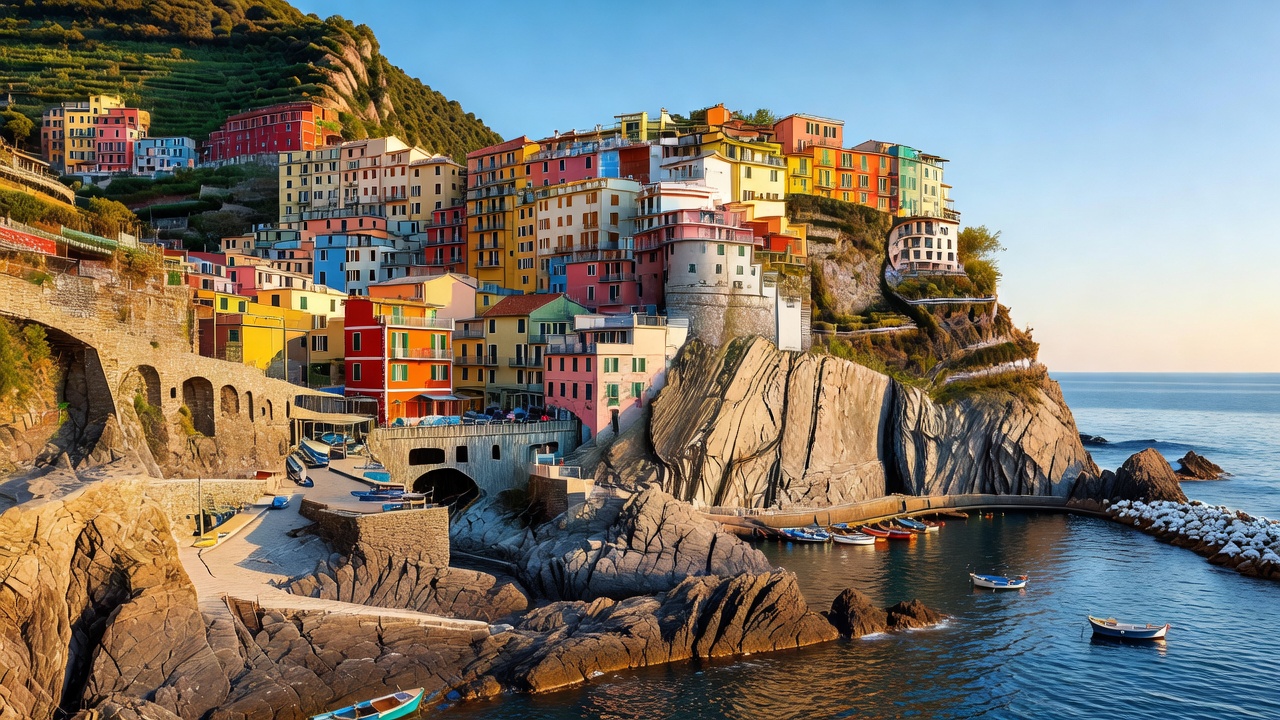
The Amalfi Coast drive, officially known as the SS163 (Strada Statale 163), is a breathtaking stretch of tarmac suspended between the Lattari Mountains and the deep blue waters of the Tyrrhenian Sea. Renowned worldwide for its romantic allure, the route connects a series of glamorous, pastel-coloured towns that cling precariously to the rugged cliff faces of southern Italy.
Overview and Route
The classic route typically begins in Sorrento or Positano and winds eastward towards Vietri sul Mare. The distance is short—barely 50 kilometres—but the driving experience is intense. The road is famously narrow, carved directly into the limestone cliffs in the 1850s, and is characterized by tight hairpin turns, blind curves, and steep drops to the sea below. Despite the short geographical distance, transit times can be surprisingly long due to the cautious speeds required and frequent congestion.
Navigating this road is as much a cultural experience as a visual one. You will find yourself sharing the narrow tarmac with local buses, zooming Vespas, and pedestrians, requiring high levels of concentration and patience.
Key Highlights
Positano is arguably the most famous stop, cascading down the mountainside in a jumble of peach, pink, and terracotta houses. Further along, the town of Amalfi offers profound history, once being a maritime superpower; its stunning cathedral (Duomo di Amalfi) is a must-see architectural marvel. Taking a slight detour inland and upward, Ravello rewards drivers with exquisite, palatial gardens (like Villa Rufolo) and unparalleled, sweeping vistas over the entire coastline, elevated away from the coastal road’s bustle.
Driving Tips and Vehicle Choice
When it comes to vehicle selection on the Amalfi Coast, one rule reigns supreme: smaller is better. Renting a compact car, such as a Fiat 500, will make navigating the narrow passes and squeezing past oncoming coaches significantly less stressful. Some drivers even opt to rent a scooter to bypass the traffic altogether, though this is only recommended for those with significant two-wheel experience.
Parking is universally difficult and expensive across all the towns on the coast. It is often best to book accommodation that explicitly guarantees a parking space. When encountering a large bus on a tight corner, it is standard practice to reverse to a wider spot to let them pass; the local bus drivers are masters of these roads, so follow their lead.
Best Time to Visit
The shoulder seasons of May and September are optimal. During these months, the weather is warm enough to enjoy the sea and outdoor dining, but you avoid the overwhelming, gridlocked traffic that plagues the road in July and August. In the peak of summer, Italian authorities often implement an alternating license plate system (driving permitted only on odd or even days depending on your plate) to combat congestion. Winter is quiet, but many hotels and restaurants close down completely.
Pros and Cons
- Pros: Unbelievably romantic scenery; world-class Italian cuisine in coastal towns; rich architectural and historical heritage along the route.
- Cons: Extremely narrow and intimidating roads for nervous drivers; severe traffic and parking shortages in peak summer; local driving culture can feel aggressive to visitors.